


In the digital-first, brand-conscious marketplace of 2025, custom packaging has emerged as more than just a way to deliver products. It’s a strategic tool that directly influences brand perception, customer satisfaction, and even sales performance. For businesses aiming to stand out in a saturated market, custom packaging is no longer optional—it’s a necessity.
This article explores what custom packaging is, why it matters, and how you can leverage it to boost your business credibility, customer engagement, and profitability. Whether you’re a small business owner, a product developer, or a marketing professional, understanding the value of custom packaging will set you ahead in today’s competitive landscape.
What Is Custom Packaging?
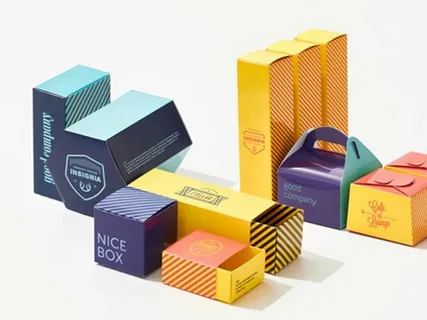
Custom packaging refers to tailored packaging solutions designed specifically for a brand, product type, or customer demographic. Unlike standard or generic packaging, custom packaging includes unique designs, colors, logos, shapes, materials, and functional features that align with your brand’s identity and product requirements.
Key Components of Custom Packaging:
- Structural design: Custom sizes, shapes, and materials
- Visual design: Branded colors, typography, imagery, and logos
- Functional features: Inserts, windows, easy-open tabs, or tamper-proof seals
- Material choice: Sustainable, biodegradable, or high-end finishes based on product needs
According to a 2024 survey by Packaging Strategies, 72% of consumers say packaging design influences their purchase decisions, and 59% would return to buy from a brand that offers unique or eco-friendly packaging.
Why Custom Packaging Matters in 2025
1. Brand Recognition and Differentiation
In a crowded marketplace, custom packaging helps distinguish your brand. Your packaging is often the first physical touchpoint between your brand and the customer.
“You never get a second chance to make a first impression.” – Will Rogers
With personalized design elements and consistent branding, custom packaging enhances brand recall. Think about how instantly recognizable brands like Apple or Tiffany & Co. are—largely due to their distinctive packaging.
2. Improved Customer Experience
Consumers are looking for more than just a product—they crave a memorable unboxing experience. Custom packaging creates a sense of excitement and emotional connection that generic packaging cannot deliver.
Key Experience Benefits:
- Creates a “wow” moment during unboxing
- Builds emotional connection and loyalty
- Encourages user-generated content (UGC) and social sharing
According to Shopify (2024), user-generated unboxing videos on platforms like TikTok and Instagram increased brand engagement by up to 32%.
3. Product Protection and Fit
Custom packaging ensures that your product is securely packed, reducing the risk of damage during shipping. Tailored dimensions and inserts keep the item stable and can reduce returns and negative reviews.
4. Sustainability and Environmental Responsibility
Consumers in 2025 are highly conscious of a brand’s environmental footprint. Using eco-friendly materials, minimal designs, and recyclable components in your custom packaging reflects corporate responsibility and aligns with consumer values.
Sustainable Packaging Statistics (2024):
- 67% of consumers prefer eco-friendly packaging
- 48% are willing to pay more for sustainable alternatives
(Source: McKinsey & Company, 2024)
5. Marketing and Communication Tool
Custom packaging is a powerful marketing asset. It offers prime real estate to communicate:
- Product benefits
- QR codes for offers or reorders
- Mission statements or eco-pledges
- Instructions or social media handles
In essence, it transforms every package into a mini billboard that travels directly to your customer’s hands.

Types of Custom Packaging
Depending on your product and brand identity, here are some common types of custom packaging:
| Type | Use Case | Features |
|---|---|---|
| Custom Boxes | E-commerce, retail | Fully branded, structural design |
| Sleeve Packaging | Cosmetics, books | Affordable, quick branding |
| Rigid Boxes | Luxury goods | Premium appeal, durability |
| Mailer Boxes | Subscription services | Sturdy, compact, eco-friendly |
| Pouches & Bags | Food, beauty products | Lightweight, sealable |
| Tubes & Cylinders | Artisanal or niche products | Stylish and unique |
Custom Packaging Trends in 2025
Staying on top of trends helps you align with consumer expectations and technological innovations.
1. Smart Packaging
- QR codes, AR (augmented reality), and NFC tags
- Enables digital storytelling, how-to-use videos, and authentication
2. Personalized Printing
- Print names or custom messages for a hyper-personal experience
- Boosts customer loyalty and word-of-mouth marketing
3. Minimalist and Transparent Designs
- Clean layouts with visible product components
- Appeals to transparency and authenticity-seeking consumers
4. Eco-Innovation
- Compostable materials, soy-based inks, and reusable designs
- Carbon labeling and traceability info included
5. Bold Typography and Color Blocking
- Helps stand out on shelves and social media
- Enhances brand recall
How to Implement Custom Packaging Effectively
Creating custom packaging that delivers ROI requires strategy, design thinking, and practical execution.
Step 1: Define Your Brand Identity
Ask:
- What emotions should your packaging evoke?
- What values should it communicate?
Step 2: Understand Your Target Audience
- Are they luxury buyers, eco-conscious millennials, or tech-savvy Gen Zs?
- Design with user persona in mind
Step 3: Choose the Right Materials
- Consider weight, durability, sustainability, and visual appeal
- Match the unboxing experience with customer expectations
Step 4: Work with Reliable Packaging Suppliers
Look for:
- Experience in custom printing
- Sustainable options
- MOQ (Minimum Order Quantities) that match your needs
Step 5: Test and Iterate
- Gather feedback from early users or do A/B testing
- Track unboxing shares, reviews, and retention rates
Common Mistakes to Avoid
- Overcomplicating the Design
A cluttered design can confuse customers. Keep it clean and brand-aligned. - Ignoring the Unboxing Experience
Underwhelming packaging loses potential word-of-mouth marketing. - Using Non-Eco Materials
You risk alienating eco-conscious consumers. - Not Factoring in Cost-Effectiveness
Over-designed packaging may hurt your margins—balance aesthetics with function.

Real-World Success Stories
1. Glossier
Their minimalist pink pouches became instantly iconic and Instagram-worthy. The brand used packaging as a marketing tool, earning massive social engagement.
2. Apple
Famous for their clean, precise unboxing experiences, Apple invests heavily in packaging R&D. This enhances perceived product value before users even turn on the device.
3. Dollar Shave Club
Their quirky, customized boxes with bold messaging and inserts turned mundane razor deliveries into memorable monthly experiences.
In today’s digital economy, where consumers have unlimited options, custom packaging is a brand differentiator. It blends form and function, branding and utility, sustainability and innovation. Whether you’re launching a new product or rebranding an old one, investing in custom packaging can elevate your business and deepen customer relationships.
Key Takeaways:
- Custom packaging enhances brand identity and recognition
- It creates engaging, shareable unboxing experiences
- Supports eco-conscious branding in line with 2025 values
- Boosts product protection and reduces returns
- Serves as a cost-effective marketing and communication channel
FAQs About Custom Packaging
Q1: Is custom packaging only for large businesses?
No. Many suppliers offer low MOQ options tailored for small and medium-sized businesses.
Q2: How much more expensive is custom packaging?
While initial costs may be higher than generic packaging, the ROI in brand loyalty, customer satisfaction, and reduced returns often outweighs the expense.
Q3: How do I find a custom packaging supplier?
Search local and international suppliers online, check reviews, ask for samples, and ensure they offer sustainable material options.
Q4: Can custom packaging help with marketing?
Absolutely. Packaging can tell your brand story, promote social channels, and invite customers to share their experience.