




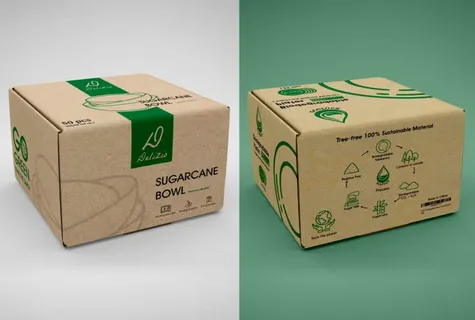
In today’s competitive marketplace, where countless brands vie for consumer attention both online and offline, consistent branding in packaging is no longer optional—it’s essential. Packaging is not just a container; it’s a storytelling tool, a silent brand ambassador, and a powerful touchpoint that shapes customer perceptions at every level of the buyer journey.
In this article, we’ll explore why maintaining consistent branding in packaging is vital, how it enhances consumer trust, recognition, and loyalty, and what businesses can do to ensure packaging aligns with the principles of strong branding in 2025 and beyond.
What Is Consistent Branding in Packaging?
Consistent branding refers to the unified visual and verbal representation of a brand across all touchpoints, including packaging. It involves using the same logos, color schemes, typography, imagery, voice, and messaging to ensure the brand is instantly recognizable to the consumer.
When applied to packaging, consistent branding creates a cohesive brand identity across product lines and platforms—whether it’s a shelf in a brick-and-mortar store or an image on an e-commerce listing.
Why Consistency Matters: Key Benefits
1. Brand Recognition
Studies show that consumers need to see a brand several times before they remember it. Consistent branding across packaging enhances brand recall, which directly influences purchase decisions. According to a Lucidpress study, consistent brand presentation across all platforms can increase revenue by up to 23%.
When customers recognize your product at a glance—thanks to familiar fonts, colors, or logos—they’re more likely to choose it over unfamiliar alternatives. A well-known example is Coca-Cola: its iconic red packaging and cursive logo are recognized globally, regardless of language or location.
2. Trust and Credibility
A consistent and professional brand image signals reliability and stability. Packaging that looks the same every time the customer buys your product reassures them that the product inside maintains the same quality. In contrast, inconsistent branding may confuse consumers or make them question product authenticity.
In fact, 90% of consumers expect their experience with a brand to be consistent across all platforms and packaging (source: Forbes). Inconsistent branding can result in cognitive dissonance—a conflict between what the customer expects and what they perceive—which can lead to distrust or abandonment.
3. Customer Loyalty
Customers gravitate toward brands that make them feel secure and connected. When branding is consistent and familiar, it fosters emotional attachment. This psychological bond enhances customer loyalty and increases the likelihood of repeat purchases.
Apple, for instance, is a brand that has built a cult following through consistent branding. From the packaging of an iPhone to its retail experience and product design, the brand delivers a seamless identity that customers trust and return to.

The Psychological Power of Packaging
Packaging isn’t just about aesthetics—it taps into consumer psychology. First impressions are formed within seven seconds, and packaging often serves as the first physical interaction a customer has with your product. Consistent design elements (such as colors, fonts, and logos) help reinforce brand identity and make products more memorable.
Key Psychological Triggers:
- Color: Triggers emotional responses and helps in brand association (e.g., green for eco-friendly, blue for trust).
- Typography: Conveys personality (e.g., serif fonts for tradition, sans-serif for modernity).
- Shape & Form: Unique packaging shapes can become identifiers themselves (think Toblerone or Pringles).
Elements of Consistent Branding in Packaging
To establish cohesive branding, businesses should focus on these key elements:
1. Logo Placement and Size
Keep logo placement consistent across product lines. Whether it’s centered, top-right, or covering the whole front, a standardized approach strengthens brand recognition.
2. Color Palette
Use a fixed brand color scheme across all product variants. This maintains a visual identity that’s immediately recognizable.
3. Typography
Use brand-approved fonts and maintain hierarchy in text—product names, ingredients, and taglines should follow a set style.
4. Voice and Messaging
Maintain a consistent tone—whether playful, formal, or casual—across all packaging copy. This includes product descriptions, taglines, and calls to action.
5. Material and Finish
Your choice of materials—whether matte, gloss, or eco-friendly kraft—should reflect brand values. Luxury brands often use rigid boxes and embossed elements to convey exclusivity.
Consequences of Inconsistent Branding
Inconsistent packaging can dilute brand identity and confuse consumers. For example:
- A skincare brand known for minimalism suddenly introduces loud, graphic-heavy packaging—it may alienate its core audience.
- A food product line that switches fonts or colors might seem like a different product altogether, leading to lost sales or mistaken purchases.
More critically, inconsistent branding can erode the customer journey, especially in digital retail where packaging visuals influence buying decisions. If what consumers see online doesn’t match what they receive, return rates and negative reviews may increase.
Aligning Packaging with Branding Strategy in 2025
As we move further into 2025, customer expectations for brand transparency, sustainability, and personalization are growing. Packaging needs to evolve while remaining consistent with brand values.
Best Practices:
- Sustainability Alignment: If your brand promotes eco-consciousness, use recyclable or biodegradable packaging and display relevant certifications.
- Personalization at Scale: Use variable printing technology to personalize packaging while preserving core branding.
- Digital Integration: Include QR codes or NFC tags linking to personalized messages or brand stories—this tech-savvy approach must still align with overall brand aesthetics and tone.

Tips to Maintain Consistency Across Packaging
Here are practical ways businesses can ensure consistent branding in packaging:
- Create a Brand Style Guide: Document visual standards—colors, fonts, logos, and imagery—and share them with packaging vendors and internal teams.
- Centralize Packaging Design: Use a centralized creative team or agency for all product lines.
- Audit Regularly: Conduct quarterly packaging audits to identify inconsistencies and rectify them.
- Use Packaging Templates: Especially helpful for businesses with multiple SKUs or product lines.
- Train Internal Stakeholders: Ensure marketing, product development, and packaging departments are aligned on branding strategy.
In an age of digital distractions and rapid consumption, packaging has become a pivotal battleground for brand differentiation. It’s the bridge between product and consumer, the first impression, and often the lasting one. When executed with consistency, branding on packaging has the power to:
- Build trust
- Reinforce identity
- Elevate customer experience
- Drive loyalty and repeat business
As consumers grow more discerning in 2025 and beyond, investing in consistent, purposeful packaging is no longer just about aesthetics—it’s a strategic imperative.